
Often during pivoting, sudden changes of direction, deceleration or landing.
KNEE • ANTERIOR CRUCIATE LIGAMENT
ACL injury: treatment and return to sport.
Tearing the anterior cruciate ligament does not automatically mean surgery is required. Decisions should consider knee stability, associated injuries, sports participation and each patient's goals.
Individualized treatmentFunction firstCriteria-based return to sport
UNDERSTANDING THE INJURY
What is the anterior cruciate ligament?
The ACL is one of the knee's main stabilizers. It controls forward movement of the tibia and rotational stability, especially during changes of direction, deceleration and pivoting.
Two people with similar MRI findings may have very different needs. Some maintain good stability during activities, while others experience giving-way episodes or lack confidence when returning to sport.
MRI is important, but does not determine treatment on its own.
Assessment must integrate symptoms, examination, functional stability, associated injuries, sporting demands and personal goals.
A pop, swelling, initial pain and later instability or giving way.
People returning to sports involving cutting, jumping, contact or rapid direction changes.
TREATMENT DECISIONS
I tore my ACL. Do I need surgery?
Not every ACL tear requires reconstruction, and no single rule applies to everyone.
When nonsurgical treatment may be considered
For selected patients, structured rehabilitation may be an initial strategy. Good functional stability, no repeated giving-way episodes and goals compatible with knee function favor this approach.
Randomized trials have shown that some patients initially treated with rehabilitation did not require reconstruction during follow-up.
When reconstruction becomes more important
Persistent functional instability, giving-way episodes, associated injuries and plans to return to high-demand pivoting sports may favor surgery.
For highly active athletes in sports involving jumps, cuts and pivots, international consensus recommends considering anatomical reconstruction after initial impairments are addressed.
Evidence: KANON and COMPARE trials and the international Panther Symposium consensus. Indications must be individualized.
THE KEY PRINCIPLE
We do not treat an image alone. We treat the knee you need to use.
The question is not only whether the ACL is torn, but what you want to return to doing with this knee. Straight-line running, football, tennis, basketball, skiing and recreational activities place different demands on stability.
WHEN SURGERY IS INDICATED
How does ACL reconstruction work?
In most surgical cases, the injured ligament is reconstructed arthroscopically using a graft. Technique and graft selection must be individualized.
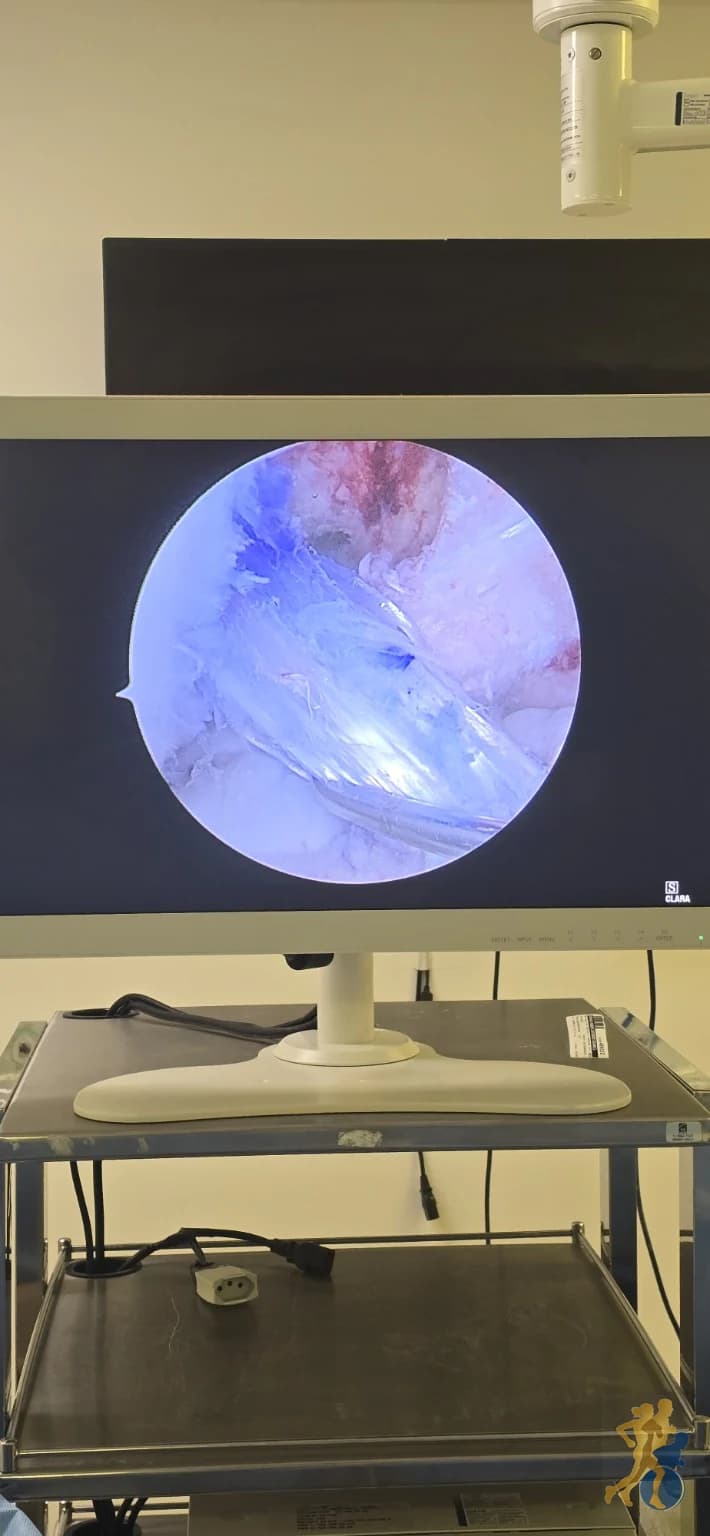
Surgery is one stage of treatment
When indicated, reconstruction aims to restore stability for the patient's needs. Outcomes also depend on preoperative preparation, rehabilitation, strength recovery and functional progression.
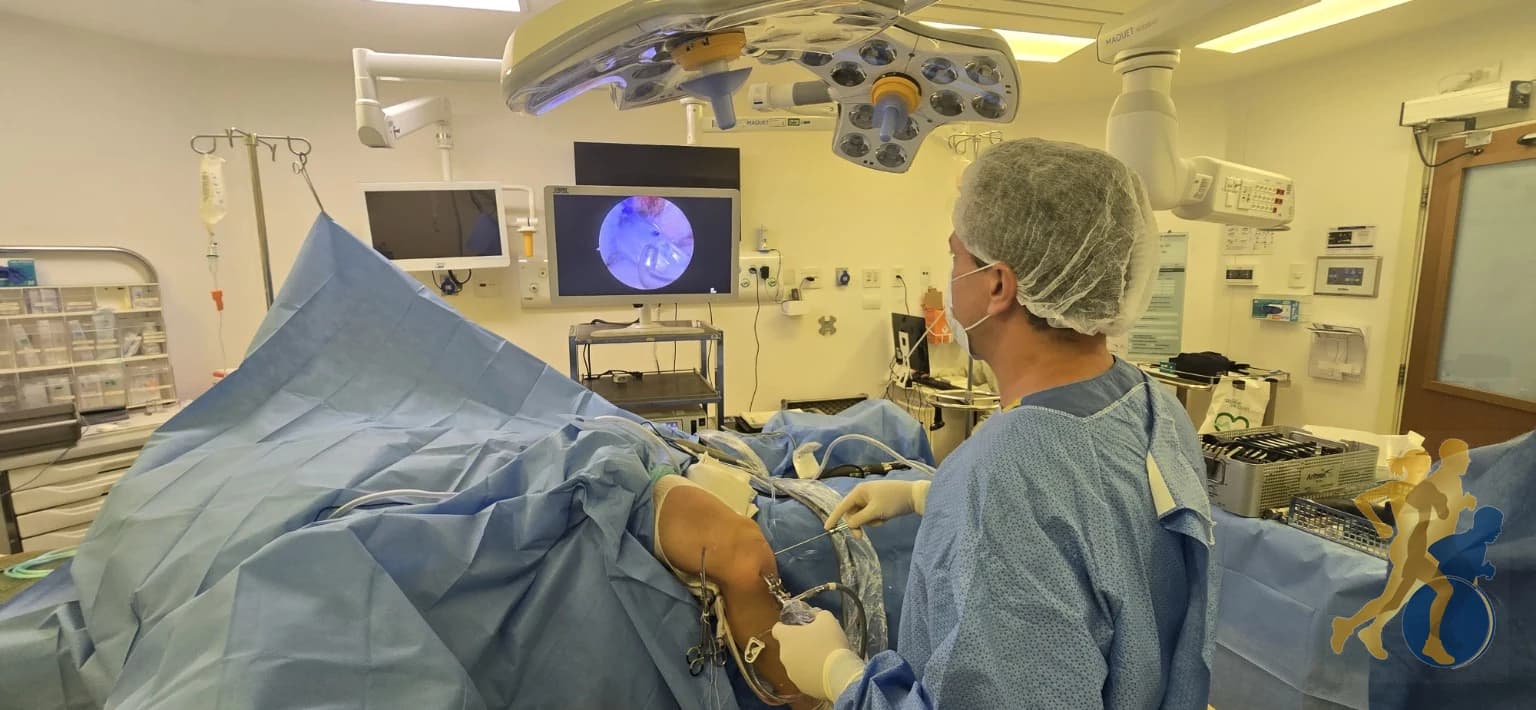
Preparation and instrumentation
Arthroscopy allows visualization of the joint through small incisions. Technical planning varies with anatomy, associated injuries, graft choice and patient characteristics.
GRAFT PREPARATION
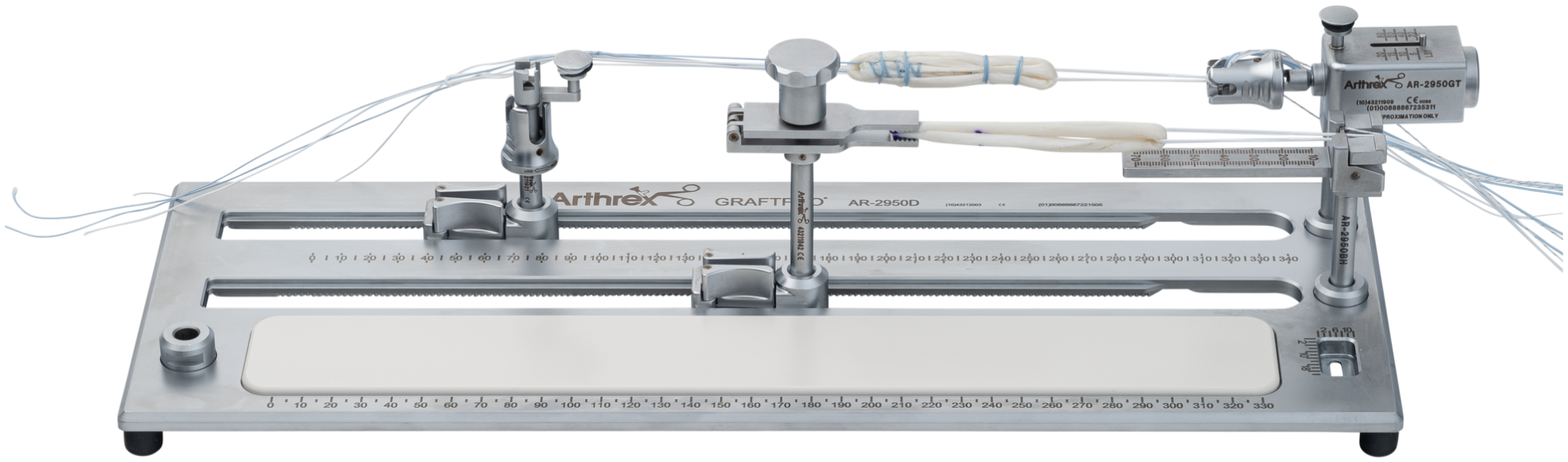
Graft preparation and tensioning
Graft preparation and tensioning are technical steps in ACL reconstruction.
POSTOPERATIVE RECOVERY
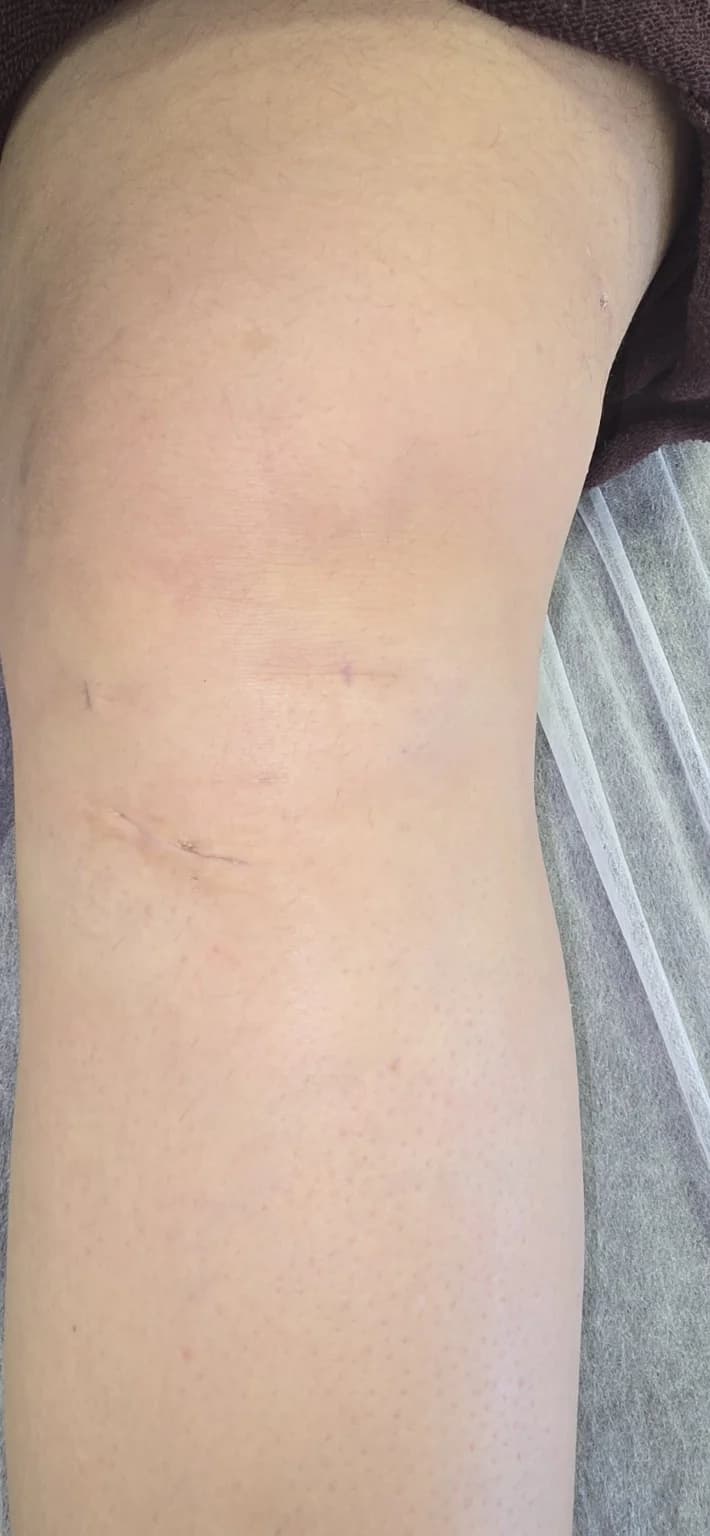
Small incisions, a substantial recovery process
Example of incisions after ACL reconstruction. Appearance and healing vary between patients. More important than the scar is restoring knee mobility, strength, control and confidence.
REHABILITATION AND SPORT
Returning to sport is not simply meeting a deadline.
Rehabilitation should progress through stages based on clinical and functional criteria, not the calendar alone.
Control symptoms
Reduce effusion, restore mobility and progressively normalize function.
Restore strength
Progressively rebuild muscle capacity and neuromuscular control.
Resume running and sport movements
Progress to running, jumping, changes of direction and sport-specific demands.
Assess readiness
Combine clinical examination, functional testing, strength, confidence and sporting demands.
Time matters, but time alone does not establish readiness.
The Panther consensus describes a continuum: return to participation, return to sport and return to performance.
FREQUENTLY ASKED QUESTIONS
Common questions about ACL injuries
Does every ACL tear require surgery?
No. Some patients do well with structured rehabilitation. Indications depend on functional stability, desired activities, associated injuries and individual goals.
Can I play sports without an intact ACL?
Some patients can perform certain activities without reconstruction. Pivoting sports demand greater stability and require individualized assessment.
Does surgery prevent osteoarthritis?
This cannot be guaranteed. ACL injury is associated with long-term joint changes and reconstruction does not eliminate that risk.
When can I return to playing?
The decision should not be based solely on months since surgery. Strength, function, clinical findings, psychological readiness and sporting demands matter.
Do I need physical therapy before surgery?
When reconstruction is indicated, restoring mobility, controlling swelling and improving muscle function before surgery may be part of preparation.
SCIENTIFIC REFERENCES
Key sources
Educational content based on clinical studies and consensus statements. Evidence must be interpreted in each patient's context.
- Frobell RB et al. Treatment for acute anterior cruciate ligament tear: five year outcome of randomised trial. BMJ. 2013;346:f232. View publication ↗
- Reijman M et al. Early surgical reconstruction versus rehabilitation with elective delayed reconstruction for patients with anterior cruciate ligament rupture: COMPARE randomised controlled trial. BMJ. 2021;372:n375. View publication ↗
- Diermeier TA et al. Treatment after ACL injury: Panther Symposium ACL Treatment Consensus Group. Br J Sports Med. 2021;55(1):14-22. View publication ↗
- Meredith SJ et al. Return to sport after anterior cruciate ligament injury: Panther Symposium ACL Injury Return to Sport Consensus Group. KSSTA. 2020;28:2403-2414. View publication ↗
- Kotsifaki R et al. Aspetar clinical practice guideline on rehabilitation after anterior cruciate ligament reconstruction. Br J Sports Med. 2023;57:500-514. View publication ↗
INDIVIDUALIZED ASSESSMENT
Your treatment should reflect the sport you want to return to.
Schedule an assessment to discuss stability, associated injuries and treatment options for your situation.