
SPORTS AND WOMEN'S HEALTH
Which factors influence injury risk?
Women's participation in sports has grown, bringing greater attention to female athletes' needs. The original article discusses anatomical, physiological and hormonal factors that may influence certain injuries.
However, individual risk is not determined by sex alone: sport, strength, movement control, injury history, training and recovery also matter.
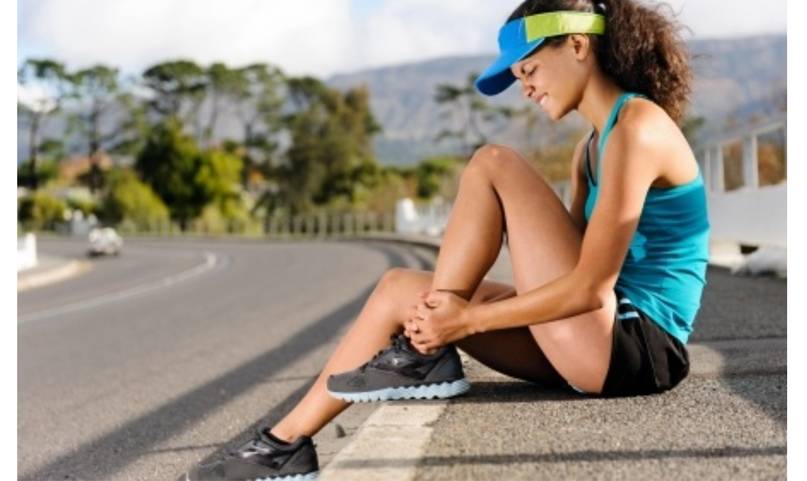
ANATOMY AND PHYSIOLOGY
What should an athlete's assessment consider?
The original article describes average differences between women and men in lower-limb alignment, joint mobility, body composition and hormonal characteristics. These vary substantially between individuals and should not be interpreted in isolation as causes of injury.
In practice, assessment considers stability, muscle strength, knee and hip control, training volume and symptoms.
COMMON INJURIES
Which problems deserve attention?
Anterior cruciate ligament (ACL) injury
The original article highlights ACL injury risks in sports involving jumps, pivots and rapid changes of direction. Strength, neuromuscular control, balance and landing technique are important for prevention.
Patellofemoral pain
Pain at the front of the knee may occur when running, squatting or climbing stairs. Rehabilitation typically involves load adjustment and progressive hip and thigh strengthening. Clicking alone does not necessarily indicate injury.
Stress fractures
These bone injuries are associated with repetitive loading and inadequate recovery. The original article highlights the tibia, femoral neck, metatarsals and pelvis, as well as the importance of assessing menstrual changes and energy availability.
Learn more about ACL injuries and return to sport.
FEMALE ATHLETE TRIAD
How are nutrition, menstrual health and bone health connected?
The original article discusses the female athlete triad, linking low energy availability, menstrual disturbances and impaired bone health. It can occur even without a diagnosed eating disorder.
Energy restriction, absent periods and recurrent stress fractures warrant investigation. Care may involve sports medicine, nutrition and mental health professionals as needed.
PREVENTION STRATEGIES
How can injury risk be reduced?
- Strengthen the trunk, hips and thighs according to the demands of the sport.
- Include balance, coordination, jumping and landing training when appropriate.
- Increase training loads gradually and allow adequate recovery.
- Develop shoulder-girdle strength and stability for sports with high shoulder demands.
- Monitor persistent fatigue, recurring pain and menstrual changes, and seek assessment when needed.
Exercise programs should be adapted to each athlete's sport and capacity. No single exercise or movement restriction is ideal for all women.
INDIVIDUALIZED ASSESSMENT
Are pain or injuries limiting your training?
An orthopedic assessment can help identify the cause of symptoms and plan a safe return to activity.