
UNDERSTANDING THE INJURY
What is the rotator cuff?
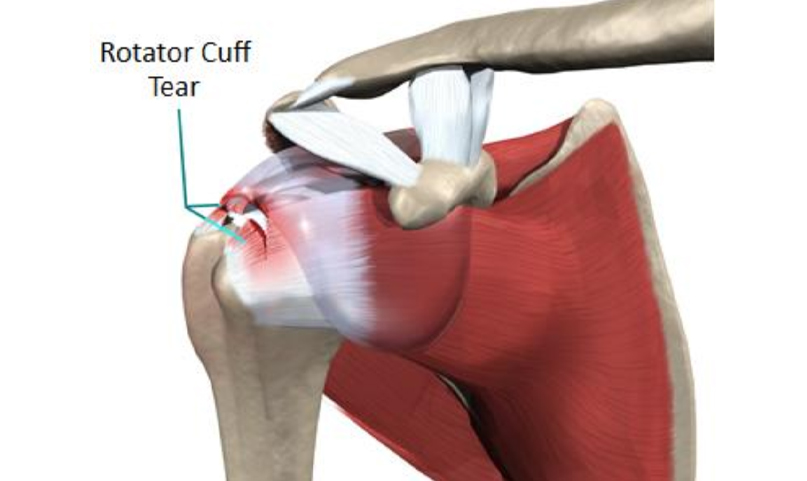
The rotator cuff consists of four muscles and their tendons: supraspinatus, infraspinatus, subscapularis and teres minor. They help move and stabilize the shoulder.
An injury to these tendons can cause pain, weakness and difficulty with everyday tasks such as putting on a shirt or combing your hair. The supraspinatus tendon is among the most commonly affected. Tears may be partial or full thickness.
CAUSES AND SYMPTOMS
Why can a tendon tear?
Tears may occur after trauma, such as a fall, or develop gradually as tendons undergo degenerative changes. Age, tissue quality and repetitive shoulder loading are relevant factors.
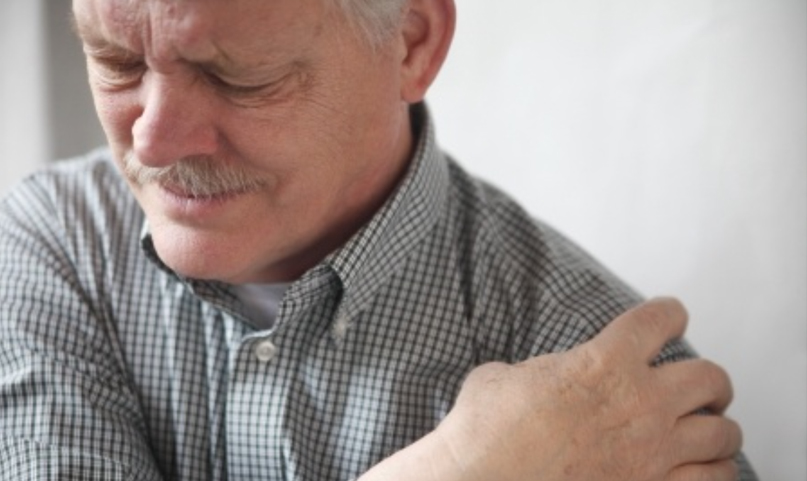
Possible symptoms include night pain, discomfort when lying on the affected shoulder, difficulty lifting or rotating the arm, clicking and reduced strength.
ASSESSMENT
How is the diagnosis made?
Diagnosis begins with the medical history and physical examination, including assessment of movement, strength and specific clinical tests. Depending on the case, X-rays, ultrasound or MRI can help evaluate the tendons and other shoulder structures.
Imaging findings must be interpreted alongside symptoms, functional limitations and the patient's activities.
TREATMENT OPTIONS
Can it be treated without surgery?
In many cases, initial treatment may include physical therapy to restore mobility, improve function and strengthen the muscles, along with temporary activity modifications. Pain-relief measures and, in selected situations, injections may be discussed after assessment.
Not every tear requires surgery. However, full-thickness tears with substantial loss of function, traumatic tears in active patients and persistent symptoms may warrant consideration of surgical repair. Tendon retraction and changes in the muscles over time also influence the decision.
TENDON REPAIR
How does rotator cuff surgery work?
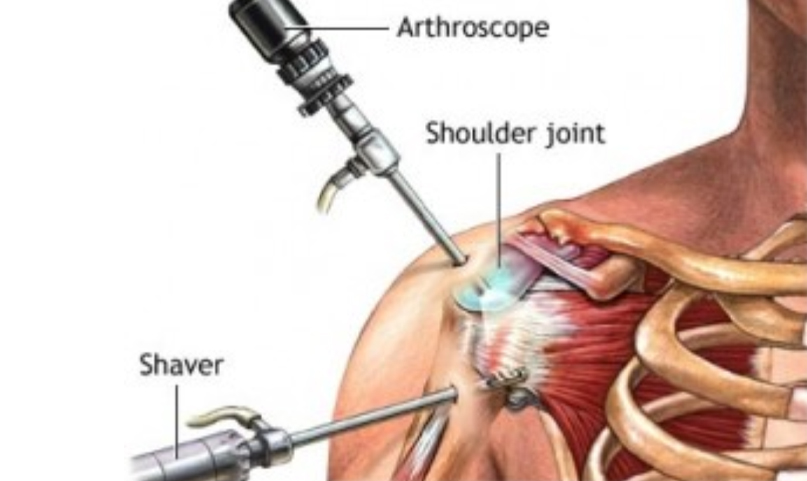
When indicated, surgery aims to reattach the tendon to its insertion on the humerus to support healing. Repair may be performed arthroscopically, using a camera and instruments inserted through small incisions, or by other approaches depending on the injury.
As with any procedure, risks include infection, stiffness and retear. The decision should account for potential benefits, limitations and treatment alternatives.
REHABILITATION
What is recovery like?
After repair, a sling may be needed for several weeks. Progression from passive to active movement and strengthening depends on tear size, tendon quality, surgical technique and guidance from the treating team.
Functional recovery commonly takes months. Rehabilitation adherence, smoking, tear size and tissue quality can affect healing and outcomes.
INDIVIDUALIZED CARE
Shoulder pain or weakness?
An orthopedic assessment can help identify the source of symptoms and determine options for restoring function.