PHYSICAL ACTIVITY AND GROWTH
Why does the ACL deserve attention at this age?
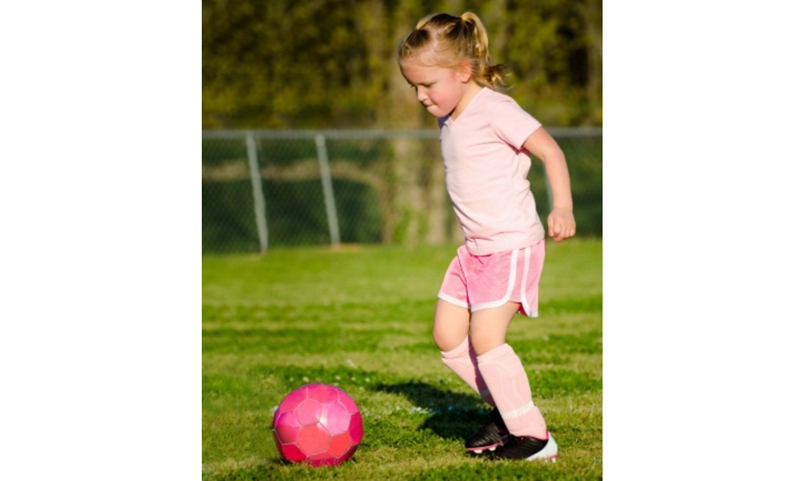
Sport is part of life for many children and adolescents. With more frequent training and competitive participation, injuries once associated mainly with adults can also occur in young athletes.
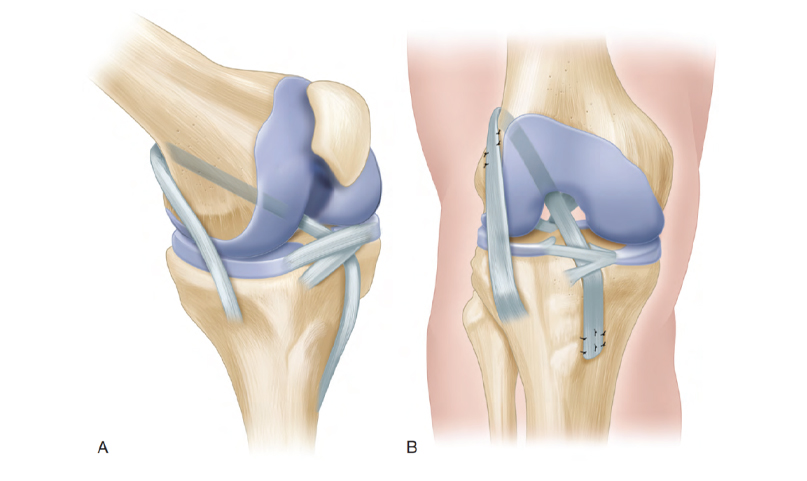
The anterior cruciate ligament (ACL) contributes to knee stability, especially during changes of direction and rotation. A tear can cause giving-way episodes and make it difficult to continue certain sports.
GROWTH PLATES
Is treatment different from that in adults?
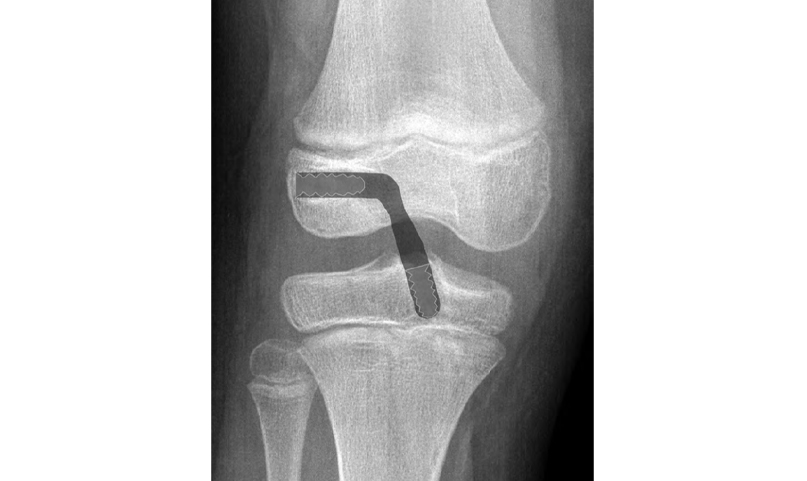
Yes. In growing children and adolescents, bone growth plates must be considered when planning treatment. Some surgical techniques are adapted to reduce the risk of damaging them.
Therefore, decisions depend on more than chronological age. Skeletal maturity, knee stability, injury pattern and sports participation are important factors.
TREATMENT OPTIONS
Physical therapy or surgery?
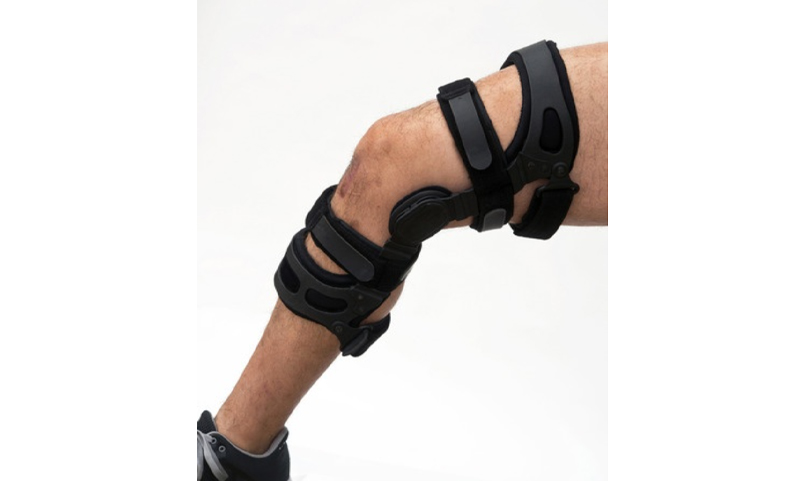
Nonsurgical treatment may include physical therapy, strengthening, neuromuscular control exercises, sometimes a brace, and modification of activities involving rotation and changes of direction.
However, repeated giving-way episodes and associated meniscal or cartilage injuries may favor ACL reconstruction. In selected patients, growth-adapted surgical techniques allow treatment to be considered before complete skeletal maturity.
Decisions should be shared with the patient and family, considering benefits, risks and functional and sporting demands.
PREVENTION
How can sports injury risk be reduced?
Prevention programs combining warm-ups, strength, balance, coordination, landing technique and change-of-direction training may help reduce sports injury risk. The original article highlighted football warm-up programs such as FIFA 11+.
Training should be adapted to age, sport and developmental stage with professional guidance.
ORTHOPEDIC ASSESSMENT
Has your child injured their knee?
An individualized assessment helps clarify the injury, growth stage, treatment options and safe return to sport.