
UNDERSTANDING THE INJURY
What are the menisci?
The menisci are two C-shaped fibrocartilaginous structures between the femur and tibia. They help distribute loads, absorb impact and support knee stability.
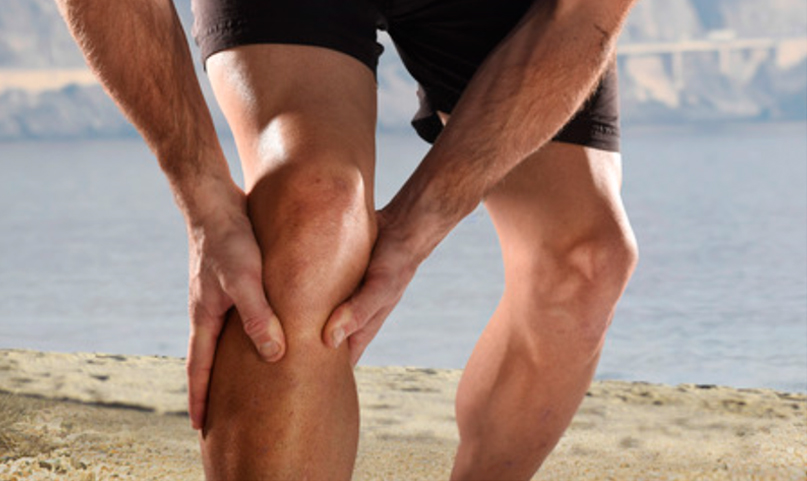
Injuries may occur during sports, especially twisting movements with the foot planted, but also during everyday activities. In older adults, degenerative tissue changes may lead to tears without a significant traumatic event.
TEAR PATTERNS
Are all meniscus tears the same?
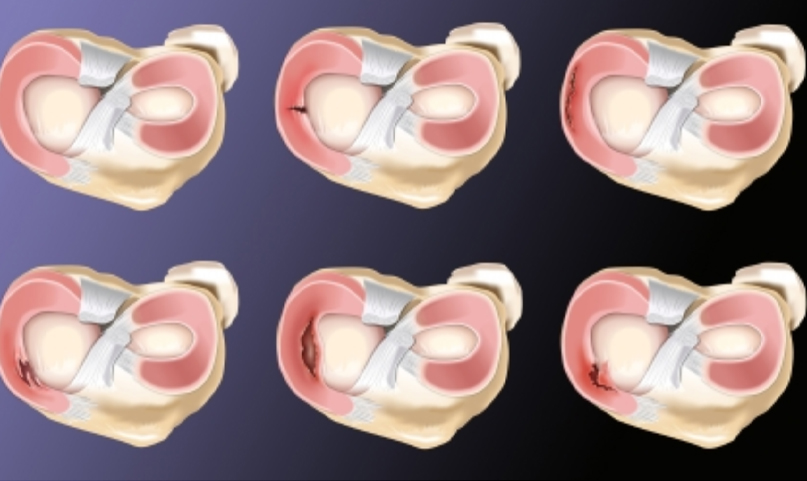
No. Tears may be longitudinal, radial or horizontal, or involve a displaced fragment, as in a bucket-handle tear. Meniscal root tears affect the attachment of the meniscus to bone.
Location, tear pattern, tissue quality and blood supply influence healing potential and repairability. Meniscus tears may also occur alongside anterior cruciate ligament (ACL) tears.
SYMPTOMS AND DIAGNOSIS
Which symptoms deserve attention?
Pain on the inner or outer side of the knee, swelling, stiffness, clicking and difficulty fully bending or straightening the joint may occur. Some people can still walk after an injury, while others experience substantial limitations.
Diagnosis combines injury history, physical examination and imaging when indicated. MRI helps evaluate the tear pattern and associated injuries; X-rays can be useful for investigating bone abnormalities and osteoarthritis.
TREATMENT DECISIONS
When is treatment without surgery possible?
Treatment depends on the tear pattern, knee stability, symptoms, age, activity level and associated injuries. In selected cases, particularly degenerative tears, treatment may begin with physical therapy, strengthening, activity modification and measures to manage pain and swelling.
A tear seen on MRI does not automatically mean surgery is necessary. The decision should consider whether the tear explains the symptoms and how much it affects function.
ARTHROSCOPY AND PRESERVATION
Meniscus repair or meniscectomy?
When surgery is indicated, a priority is preserving as much of the meniscus as possible. Meniscal repair aims to restore damaged tissue when the tear pattern and tissue quality allow. Partial meniscectomy removes only the portion that cannot be adequately preserved.
Meniscal preservation matters because removing tissue reduces its ability to distribute knee loads. Some tears, including displaced tears with locking or certain root tears, may warrant earlier surgical evaluation.
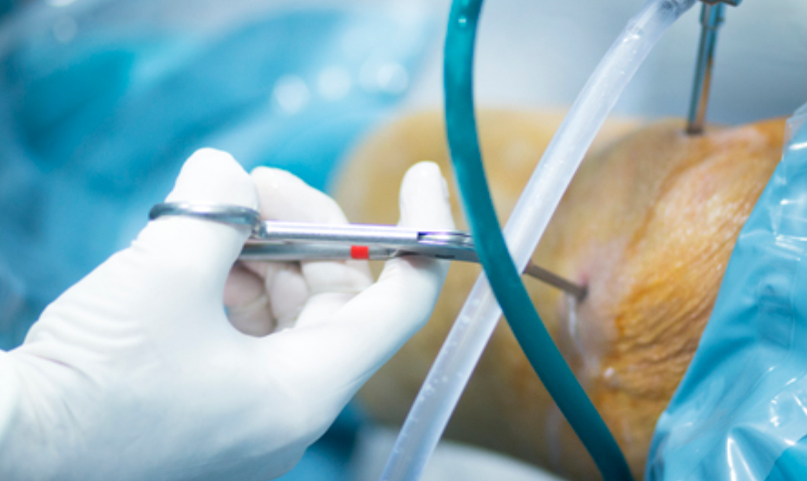
These procedures can be performed arthroscopically, using a camera and instruments inserted through small incisions.
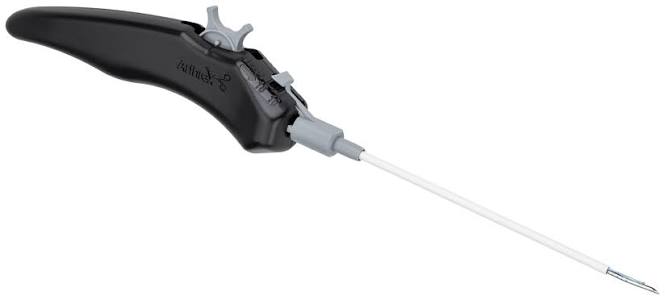
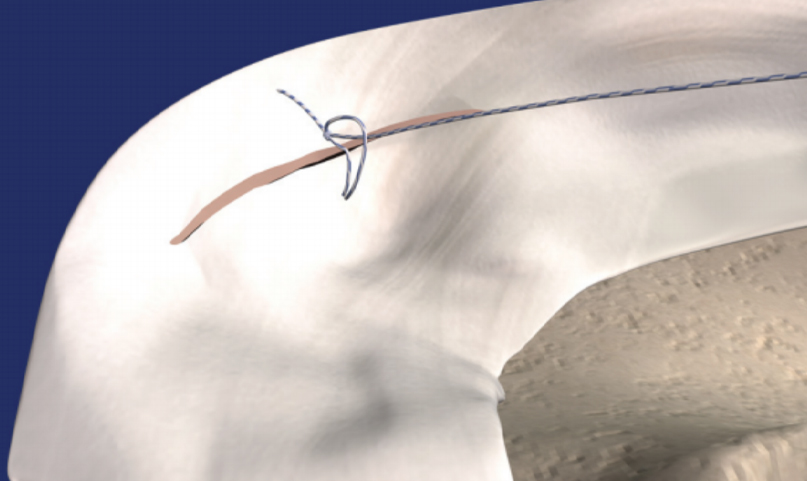
Meniscal repair: repair may be performed arthroscopically with specialized devices, depending on the tear type and location.
RECOVERY
When can I return to sport?
Recovery time depends on the treatment performed. After repair, temporary weight-bearing and movement restrictions may be needed to protect healing. After partial meniscectomy, progression is generally different and often faster.
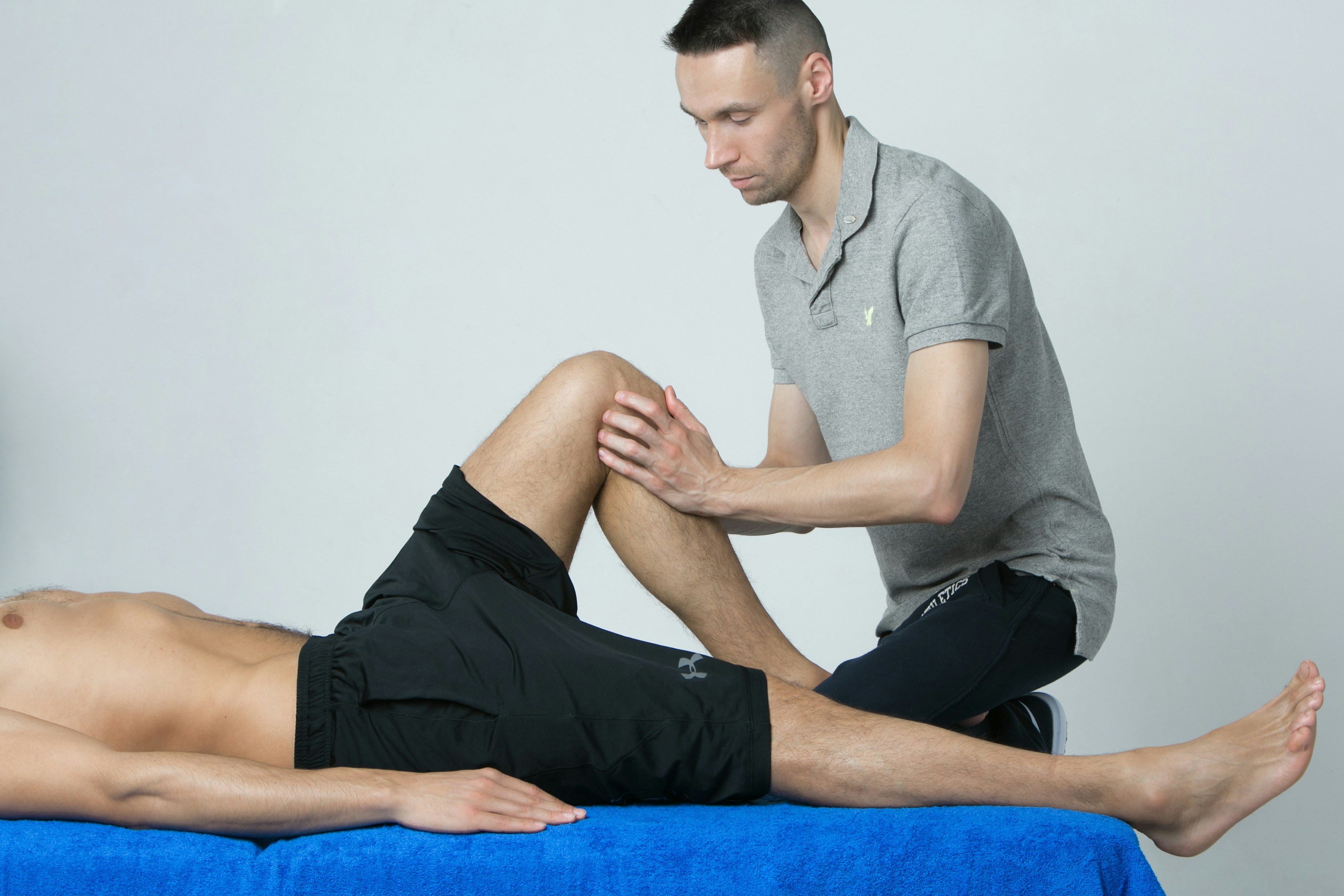
Return to sport should consider pain and swelling control, mobility, strength, balance, confidence and functional testing, rather than a fixed timeline alone. Physical therapy and hip and thigh strengthening are important parts of recovery.
INDIVIDUALIZED ASSESSMENT
Knee pain, swelling or locking?
Assessing the injury pattern and your goals helps determine whether rehabilitation or a procedure is the best option for preserving knee function.