EXERCISE-ASSOCIATED HYPONATREMIA
What is overhydration and why can it be dangerous?
The original article was based on the 2015 international consensus on exercise-associated hyponatremia (EAH), a condition characterized by reduced blood sodium concentration during physical activity or within the following 24 hours.
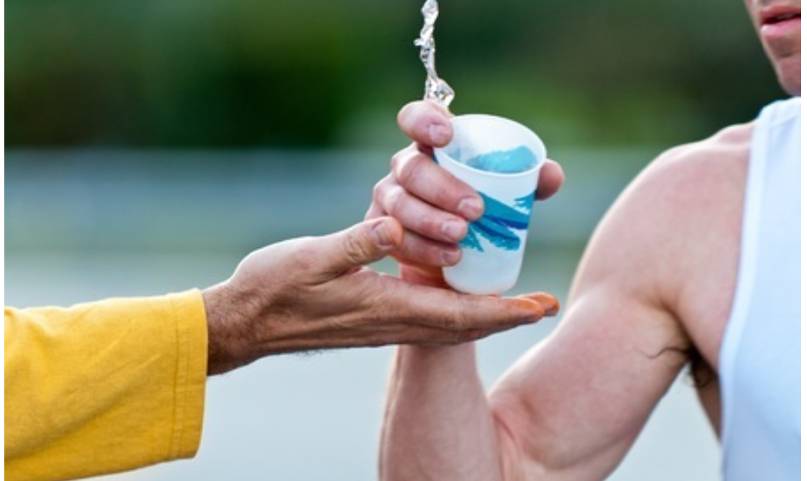
One major mechanism is drinking more fluid than the body can excrete, diluting blood sodium. This can happen with water and also with sports drinks when consumed excessively.
The condition deserves particular attention during prolonged activities such as ultramarathons and triathlons, but it can occur in other sports too.
WARNING SIGNS
What are the symptoms of hyponatremia?
Symptoms may include headache, nausea, vomiting and feeling unwell. Severe cases may cause confusion, seizures and altered consciousness associated with cerebral edema.
Diagnosis depends on clinical assessment and measurement of blood sodium. Severity should not be judged from a single value alone, because the speed of sodium decline also matters.
ASSESSMENT AND TREATMENT
How is exercise-associated hyponatremia treated?
The original article describes asymptomatic cases, symptomatic cases without severe neurological signs and severe presentations with encephalopathy. Management depends on symptoms, medical assessment and laboratory results.
Severe cases require emergency care and may need intravenous hypertonic saline administered and monitored by healthcare professionals. Athletes and companions should not decide on treatment or the rate of sodium correction.
Do not assume that every episode of illness or fainting after exercise is caused by dehydration. Unrestricted fluid replacement can worsen hyponatremia.
PREVENTION
How can you hydrate safely during sports?
The consensus discussed in the original article recommends avoiding excessive fluid intake. For many healthy endurance athletes, drinking according to thirst is a practical strategy to reduce overhydration risk.
Fluid needs vary with exercise duration and intensity, environmental conditions and individual characteristics. Thirst should be considered in this context, and specific strategies may be needed in particular circumstances.
Body weight before and after a race can provide additional information but should not be interpreted in isolation. Weight gain during a prolonged race may suggest excessive fluid intake.
Drink according to THIRST
- Helps maintain normal plasma osmolarity
- Minimizes the risk of hyponatremia
- Limits excessive dehydration, helping protect performance
- Helps maintain plasma volume appropriate for the activity
ORIGINAL ARTICLE REFERENCE
Scientific source
Hew-Butler T. et al. Statement of the Third International Exercise-Associated Hyponatremia Consensus Development Conference, Carlsbad, California, 2015. Clinical Journal of Sport Medicine. 2015;25:303–320.
This content presents and contextualizes key points from the original WordPress article. The 2015 reference is historical and does not replace clinical assessment or up-to-date medical protocols.
SPORTS MEDICINE
Hydration is part of sports safety
Seek medical care for significant symptoms during or after exercise. For questions about sports participation and musculoskeletal injuries, schedule an individualized assessment.