
RUNNING AND HEALTH
Why do running injuries occur?
Regular running has important health and fitness benefits. However, repetitive movements and inappropriate training progression may overload muscles, tendons, joints and bones.
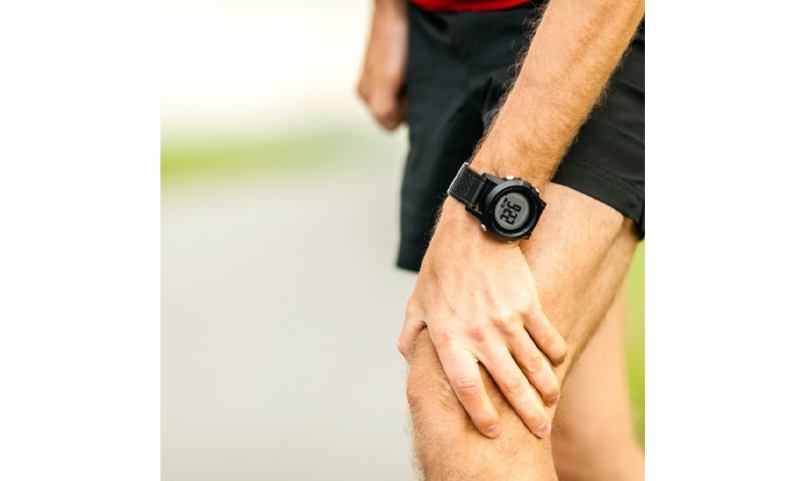
Risk does not depend solely on footwear or running technique: previous injuries, strength, rest, training volume and intensity also deserve attention.
COMMON RUNNING INJURIES
What problems can affect runners?
Posterior tibial tendinopathy
This condition may cause pain along the inner side of the foot and ankle, sometimes extending into the calf. The tendon helps support the foot's arch. Assessing training load and progressively strengthening the foot and calf muscles are important parts of care.
Plantar fasciitis (plantar heel pain)
Pain typically occurs under the heel, particularly with the first steps after rest. Treatment may involve temporarily adjusting activities, targeted stretching and strengthening. A heel spur on imaging does not, by itself, establish the cause of the pain.
Muscle cramps
Cramps are involuntary muscle contractions that may occur during or after exercise. Fatigue and individual factors can contribute. Appropriate hydration, conditioning and assessment of recurrent episodes can help guide prevention.
Patellofemoral pain and patellar tendinopathy
Pain at the front of the knee may occur with running, squatting or stair climbing. Treatment often includes modifying load and progressively strengthening the thigh and hip muscles. Patellofemoral pain, cartilage changes and patellar tendinopathy are not the same diagnosis.
Hip pain
Hip pain may be associated with gluteal tendinopathy, muscle overload or intra-articular conditions such as femoroacetabular impingement. Pain location, provoking movements and physical examination guide assessment. Not all femoroacetabular impingement requires surgery.
Shin splints (medial tibial stress syndrome)
Pain typically develops along the inner side of the shinbone, particularly after rapid increases in running volume or intensity. Temporarily reducing load and following progressive rehabilitation may help recovery. Persistent or very localized pain warrants assessment for a possible bone stress injury.
To learn more about the causes of foot pain, see Heel pain: causes and treatment.
PREVENTION
How can you reduce the risk of running injuries?
Increase distance and intensity gradually, according to your experience and ability to recover. Include calf, hip and thigh strengthening, as well as balance and mobility exercises when appropriate.
Allow sufficient rest and choose comfortable footwear suited to your needs. If you are just starting out, alternating walking and running may help you build running time progressively.
Not every discomfort requires stopping all activity, but persistent pain, progressive worsening or a significant change in gait calls for training adjustments and individualized assessment.
RETURN TO ACTIVITY
When can you return to running after an injury?
Return depends on the diagnosis and clinical progress. Pain control, strength, tolerance to loading and the ability to perform functional exercises help guide safe progression rather than relying on a fixed timeframe alone.
A clinical assessment before resuming intense exercise may be important depending on age, symptoms, medical history and risk factors.
INDIVIDUALIZED CARE
Is pain interfering with your running?
Identifying the source of pain and adjusting exercise load can help restore function and plan a return to sport.